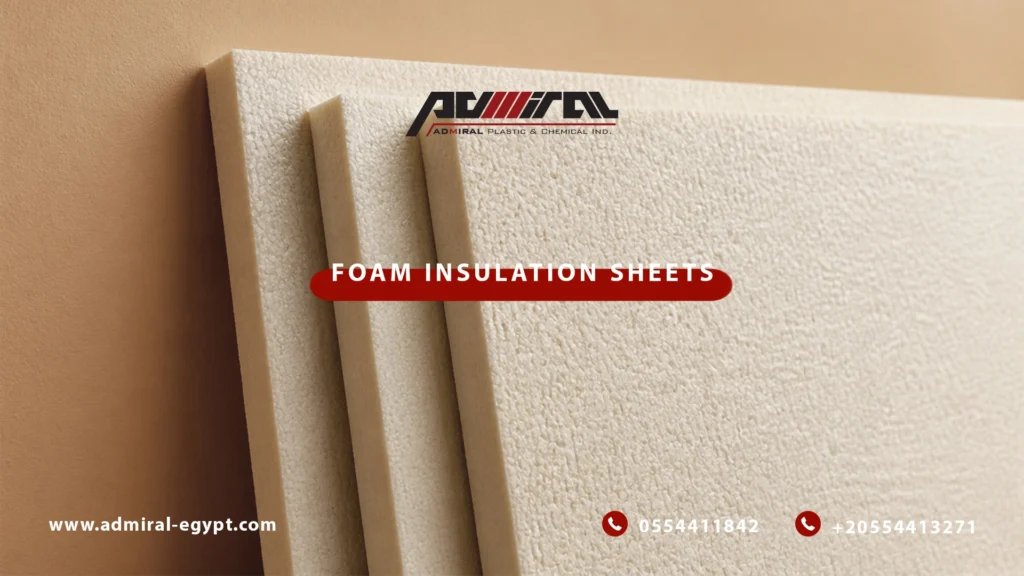
Foam insulation sheets are one of the best materials to help make a home or business more energy efficient. Foam insulation is light, easy to install, highly heat resistant, and helps save energy costs while maintaining interior comfort year-round. Foam insulation sheets are being used by builders, contractors, and homeowners to insulate walls, roofs, floors, and even refrigeration units. In this article, we will discuss what foam insulation is, why it is important, the various types of foam insulation, and how to select the right foam insulation for your project.
What Are Foam Insulation Sheets?
Foam insulation sheets are rigid or semi-rigid panels of foamed plastic designed to block heat flow. Foam insulation has closed-cell foam to capture air and reduce heat transfer, whereas standard foam board products are designed primarily for signage applications. Some foam insulation even has reflective or protective surfaces, which make them more durable and moisture-resistant, making them ideal for long-term use in construction projects.
Unlike conventional fibrous insulation materials, foam insulation are resistant to humidity and retain their insulating properties even in the event of moisture.
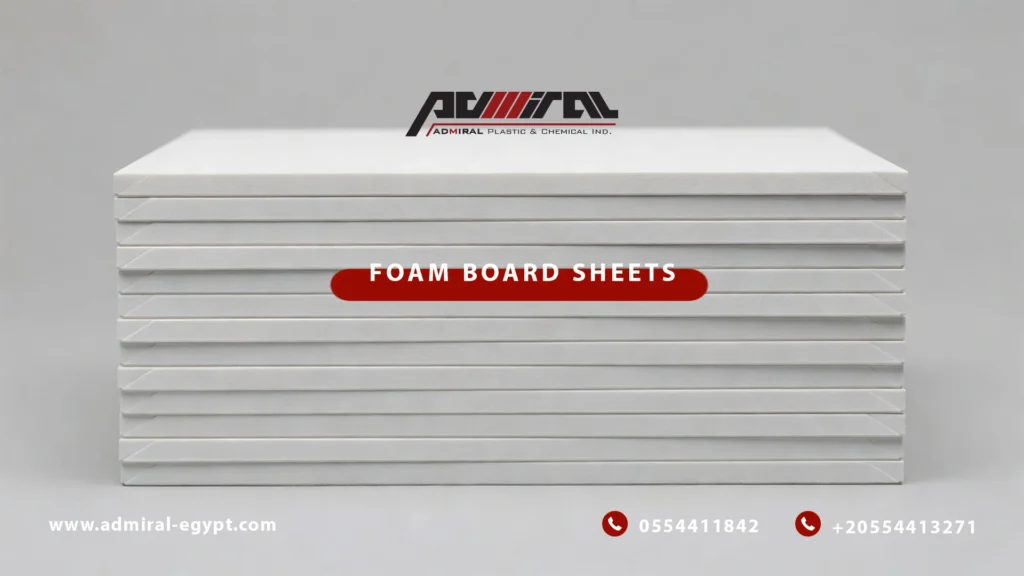
You can follow: foam board sheets
Common Applications of Foam Insulation Sheets
Foam insulation sheets are used in many construction and industrial applications. These can be used for a variety of purposes, such as:
- Wall insulation: Foam insulation is used for wall insulation to reduce heat loss and enhance indoor comfort.
- Roof & ceiling insulation: Foam insulations are lightweight and rigid, and they will help to keep the building warm in winter and cool in summer.
- Foam Insulation: These are installed beneath the floor coverings to offer thermal insulation and some sound absorption.
- Cold storage and refrigeration: Foam insulation is commonly used in industrial applications to keep the temperature in cold rooms and refrigerated trucks stable.
- Use foam insulations in partition systems for commercial fit-outs to enhance thermal and acoustic properties.
Types of Foam Insulation Sheets and Their Features
The performance characteristics vary from project to project, and manufacturers have a number of product lines of foam insulation sheets available to meet the needs of the project.
Foamiral
If a perfectly smooth and printable surface combined with a minimal insulation value is needed, Foamiral is a good choice since it is a balanced product that can also be used in lightweight construction and display applications where a certain insulation property is also required.
DORA
DORA foam insulation sheets are designed for outdoor use when durability and weather resistance are important considerations, ensuring long-lasting thermal performance.
GRAVA
GRAVA can be used in interior applications where appearance is as important as insulation and can be used on wall panels with insulation or as a decorative ceiling.
NOVA
Want something that will work for just about anything? NOVA is easy to handle and has good thermal properties, making it a convenient material for general insulation applications.
SPC BOARD
SPC BOARD provides a dense, moisture-resistant, composite structure that is ideal for flooring underlays and structural cladding, where thermal insulation is also required, and in high-traffic or load-bearing environments.
PRO CAST
PRO CAST provides a fine, workable surface with insulation value when precise cutting and custom shaping are required for special installations.
FCA
FCA offers a strong base insulation for challenging industrial insulation applications, where thermal efficiency is essential for cold storage, refrigerated transport, and large-scale building applications.
How to Choose the Right Foam Insulation Sheets
The first step in selecting the right foam insulation sheets is to determine the thermal performance needed for the project, which is typically expressed as the R-value or thermal conductivity. The higher-density foam insulation tends to be more insulating per inch of thickness but also may be more expensive. Take into account the environment, too: foam insulating sheets with the appropriate vapor barrier or protective facing are required for outdoor or high-moisture spaces, while indoor partitions may be more important for fire resistance and acoustics.
Thickness and panel size are also important for installation efficiency. The larger foam insulation can reduce the number of joints, which can help to minimize thermal bridging and improve overall thermal performance. When choosing foam insulation, ensure they comply with the local building codes and fire protection requirements.
Benefits of Using Foam Insulation Sheets
The demand for foam insulation sheets is increasing due to their performance and usability. Easy to transport and install, as they are lightweight. Foam insulation also has low moisture absorption characteristics, helping to prevent mold growth and ensure the insulation’s performance throughout the building’s life.
Further, foam insulation helps in direct energy savings by lowering the load on the heating and cooling system. This can result in substantial savings on utilities, making foam sheets a great long-term investment for any construction or renovation project.
You can follow: rigid insulation boards
Conclusion
Foam Insulation Sheets play a vital role in improving energy efficiency, reducing heat transfer, and creating more comfortable indoor environments across residential, commercial, and industrial projects. Their lightweight structure, thermal performance, and durability make them a reliable choice for modern insulation requirements.
At Admiral Egypt, we provide high-quality Foam Insulation Sheets designed to support long-term thermal efficiency and sustainable building performance. Whether you’re looking to enhance insulation, lower energy consumption, or improve overall building comfort, choosing the right insulation solution can deliver lasting value and dependable results.
FAQs
What are foam insulation sheets?
Foam insulation sheets are rigid or semi-rigid panels made from foamed plastic materials designed to reduce heat transfer and improve energy efficiency in buildings and industrial systems.
How does foam insulation work?
They work by trapping air within a closed-cell structure, which slows down heat flow and helps maintain stable indoor temperatures in both hot and cold climates.
Where is foam insulation commonly used?
They are widely used in walls, roofs, floors, cold storage units, refrigerated transport, and commercial partitions for thermal and sometimes acoustic insulation.
Is foam insulation better than traditional insulation materials?
In many cases, yes. They offer better moisture resistance, higher thermal efficiency, and longer-lasting performance compared to fibrous insulation materials.
Can foam insulation sheets be used in wet or humid environments?
Yes, many types are designed with moisture-resistant or vapor-barrier facings, making them suitable for humid or outdoor environments when properly selected.