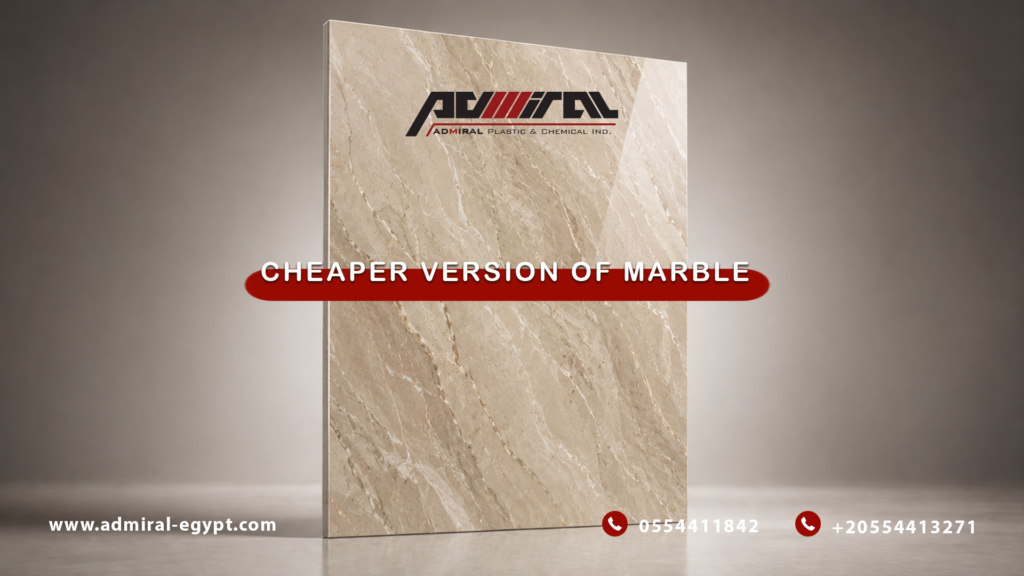
Marble has long been associated with luxury interior design, admired for its elegant veining, cool surface, and timeless appeal. However, its high cost, delicate nature, and regular maintenance requirements often make homeowners and designers search for a more practical and affordable marble alternative. Today, modern surface materials offer the same luxurious marble look with better durability, easier care, and a much lower price point.
Whether you are renovating a home, upgrading a commercial space, or looking for a cheaper version of marble that still delivers a premium finish, there are several stylish options to consider. At Admiral Egypt, we help you explore high-quality marble-look surfaces that combine beauty, performance, and affordability, making it easier to achieve a sophisticated design without exceeding your budget.
Why Everyone Is Looking for a Cheaper Version of Marble
While marble may be appealing, it can be frustrating to have it in your home. Natural marble is porous and absorbs liquids readily and can stain in minutes after a spill. It also etches when it comes in contact with the acidic substances such as lemon juice, or coffee. When you consider the high installation costs and the requirement for annual sealing, it’s easy to see why there’s been a greater demand for a more affordable alternative to marble. Modern surface technology has responded by providing materials that are waterproof, scratch-resistant, and essentially maintenance-free yet look like marble.
You can follow: marble alternatives for bathroom
Top Materials Offering a Cheaper Version of Marble Look
There are now various different types of materials available to provide a lower cost alternative to marble. Knowing the difference between them will help you select the right one for your application, budget and design objectives.
1. Foam Wall Panels
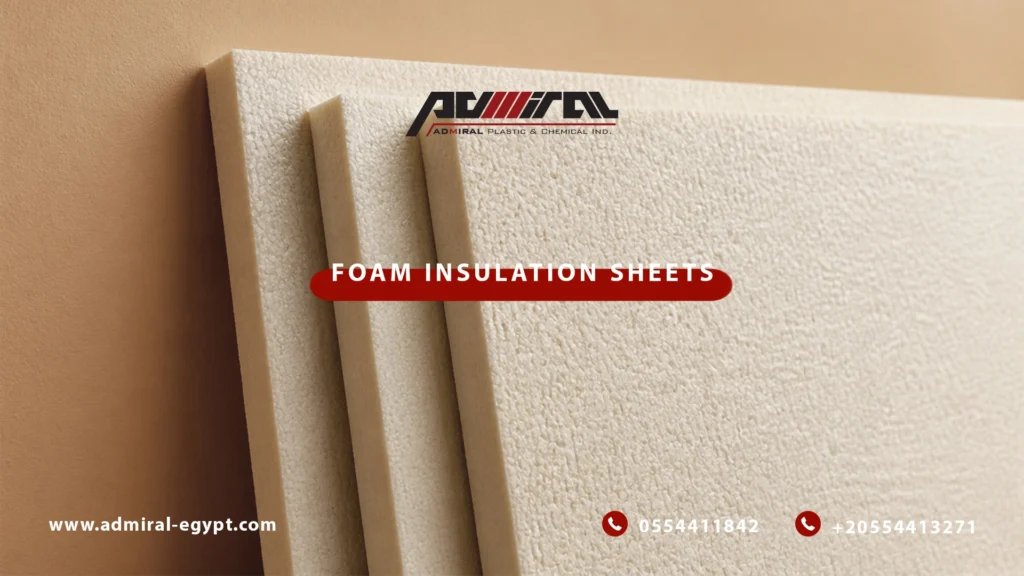
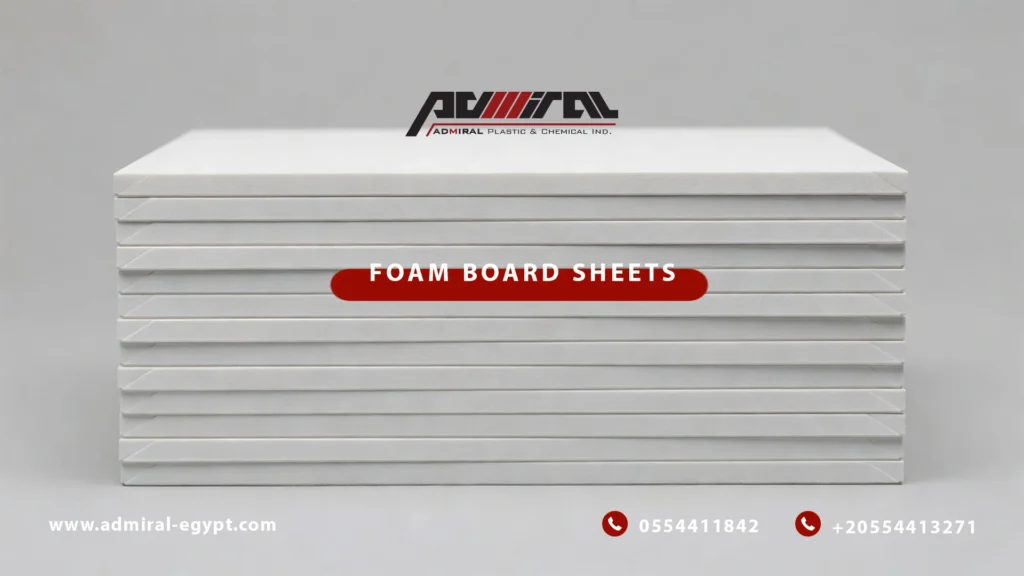
A simple and innovative way to do this on walls and ceilings is with lightweight foam panels, which can be installed at a lower cost than marble. The foamiral panel has grown to be a popular choice amongst interior designers looking for a quick and affordable solution for feature walls, reception areas, and decorative backgrounds. These panels are made using a high-resolution surface printing technology that closely mimics the texture and veining of high-quality marble stones. They can be cut easily, are lightweight, and don’t need special adhesives or tools to install.
2. High-Definition Laminated Boards
Laminated surface boards have come a long way in recent years and are now one of the most convincing lower-cost alternatives to marble available. The DORA panels are made of a rigid composite core and have a surface that looks like marble but is waterproof, heat resistant, and can withstand everyday wear and tear. Likewise, GRAVA provides a variety of finishes based on the most typical types of marble used in the past, like Calacatta, Statuario and Nero Marquina. Both products work great for bathroom walls, kitchen backsplashes and furniture surfaces where a seamless, grout-free finish is required.
3. SPC Core Panels and Flooring
Stone plastic composite technology is one of the most technologically advanced low-cost solutions for marble today. NOVA panels feature a high-density SPC core that ensures outstanding dimensional stability, ideal for both homes and offices. The SPC BOARD range goes one step further with panels that can be used for wall cladding and wet area installations, where the panels can be fully waterproofed without compromising the visual depth of real stone. They are particularly well-suited for use in hospitality settings, bathrooms, and kitchens, where both durability and beauty are paramount.
4. Cast and Acrylic Composite Surfaces
Where projects demand a truly high-quality, lower-cost marble that has tactile depth and irregular forms, composite materials are unmatched in versatility. PRO CAST is a mineral-infused resin material that can be shaped into countertops, vanity tops and decorative moldings that have the appearance and feel of a polished stone. It is thermoformable and can be used to create curved and seamless designs that are not possible with tile or natural stone. FCA panels are made from a fiber-reinforced acrylic composite that is hygienic and non-porous and is commonly used in healthcare and luxury retail settings where beauty and sterility are paramount.
How to Choose the Right Cheaper Version of Marble
There are four important factors to consider when choosing the best lower-cost marble for your project. The first is the application: flooring requires other properties than wall cladding or countertops. Second is moisture exposure, which means wet areas must use 100% waterproof materials, free of any grout lines where mold can grow. The third is the amount of foot traffic or surface use that will be on the material, which dictates the thickness and density of the material. The fourth is the visual match, as a good cheaper marble should look very similar to the type you want, whether it’s the crisp white veins of Carrara or the dramatic gold streaks of Calacatta Gold.
Cost Savings: Real Marble vs. a Cheaper Version of Marble
The economic argument for using a less expensive type of marble is strong. The costs of natural marble installation range from $60 to $200 per square meter, depending on the type and source of the stone. By contrast, a quality version of marble is generally between $10 and $50 per square meter installed. The savings are compounded over the entire life of the space, and alternative materials do not require sealing, polishing or professional restoration very often. This cost difference can save tens of thousands of dollars for a large project like a hotel lobby, residential building or commercial retail store.
Sustainability Benefits of a Cheaper Version of Marble
In addition to the cost, opting for a less expensive marble is becoming a more eco-friendly option. The natural marble quarrying is an energy-intensive process which removes landscapes and creates many carbon emissions during transportation. The majority of the current alternative surface materials are made from recycled materials, in low waste manufacturing plants, and with long service lives. If you’re looking to achieve green building certification (or sustainability goals), a lower cost alternative to marble may be easier to meet requirements than natural stone.
You can follow: marble alternative
Conclusion
The search for a cheaper version of marble has become easier than ever with today’s advanced surface materials. From foam panels and laminated boards to SPC flooring and other marble-look surfaces, modern alternatives can deliver the beauty of natural marble while offering better durability, lower maintenance, and more budget-friendly solutions.
At Admiral Egypt, we provide stylish and practical marble alternatives that help you achieve a luxurious interior finish without overspending. Explore the available options and bring the timeless elegance of marble into your home or commercial space at a more affordable cost.
FAQs
What is the best cheaper version of marble for home interiors?
Popular alternatives include foam wall panels, laminated boards, SPC panels, and acrylic composite surfaces. These materials offer a marble-like appearance at a fraction of the cost of natural stone.
Can a cheaper version of marble look like real marble?
Yes. Modern manufacturing and high-definition printing technologies create realistic marble patterns, textures, and veining that closely resemble natural marble.
Is a cheaper version of marble durable?
Many marble alternatives are more durable than natural marble. They often provide better resistance to scratches, moisture, stains, and daily wear.